

It bothers me to see pet cats roaming freely outdoors. Their parents most likely think this provides them with mental and physical stimulation. And it does. A cat can certainly have fun outside playing, hunting, chewing grass, exploring its territory, and climbing trees.
But cats allowed to roam freely outdoors can get hit by a car or mauled by a dog. They can also catch a serious illness, be poisoned or stolen, or become lost. The dangers of being outdoors far outweigh the benefits.
The American Society for the Prevention of Cruelty to Animals (ASPCA) recommends keeping your cat indoors because it will be healthier and live longer. The average lifespan for an indoor/outdoor cat is dramatically shorter than that of an indoor-only cat. Cats allowed to go outside live about 3 to 5 years, while those kept indoors live 12 to 18 years or longer.
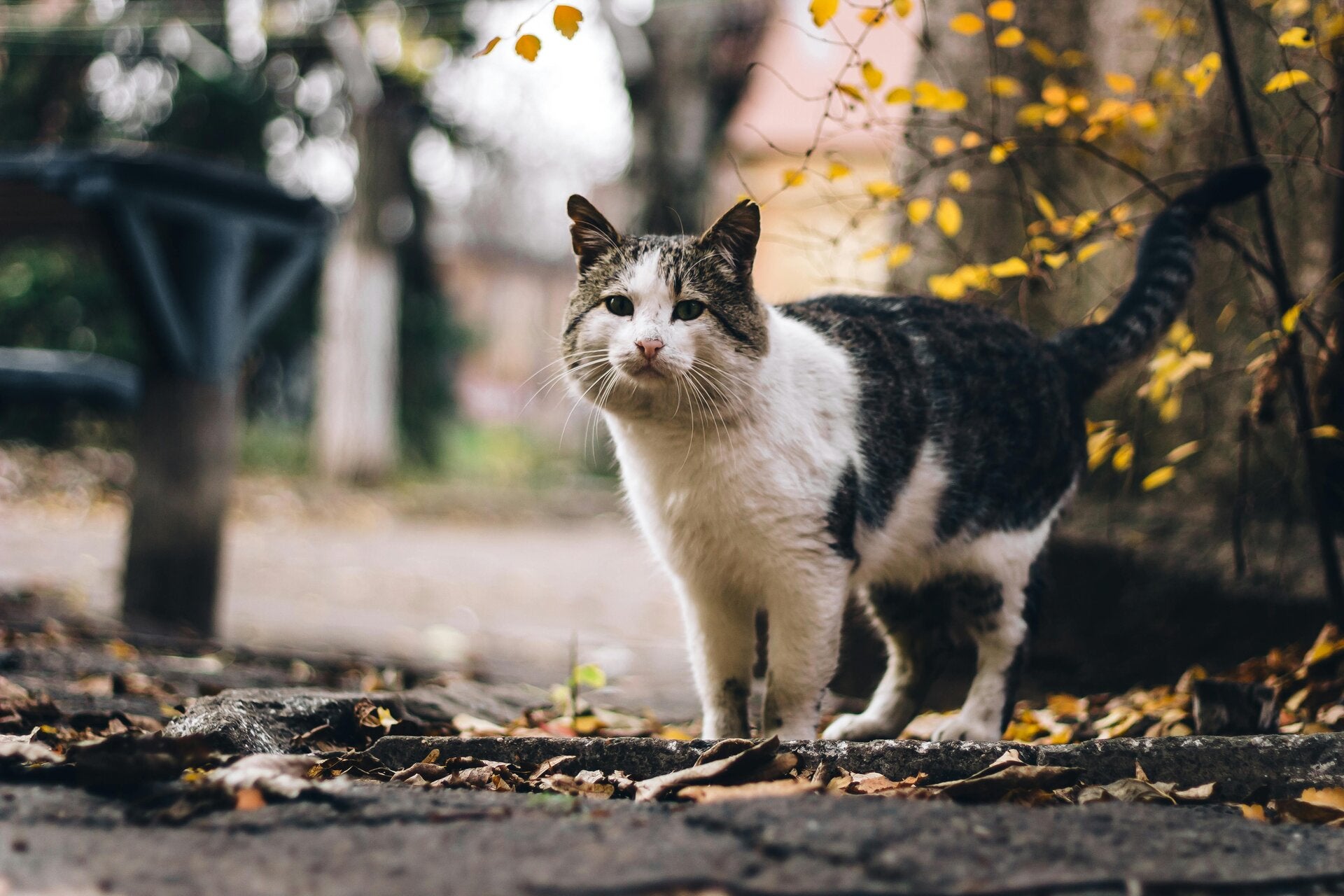
These are some of the many dangers cats face when they are outdoors:
- Cars
Cats aren’t afraid of busy streets. They also do not instinctively know how to avoid a car. If a cat is crossing a street and sees an oncoming car, it may try to run faster instead of retreating to safety. And cats definitely don’t look both ways before crossing a street if they’re being chased by another animal. More than 5 million cats in the United States are hit by cars each year. Nearly all of them die.
- Diseases and Parasites
When they’re outside, pet cats come into contact with feral and stray cats. These cats may have deadly contagious diseases, such as feline leukemia (FeLV), feline infectious peritonitis (FIP), panleukopenia (feline distemper), and feline AIDS (FIV).
Pet cats outdoors are also exposed to parasites, such as fleas, ticks, ear mites, worms, and ringworm (a fungal infection).
- Dogs and Wild Animals
Indoor/outdoor cats may be attacked and killed by loose dogs and other wild animals, such as coyotes and foxes. These attacks are almost always fatal. Cats in the South face the additional risk of being eaten by alligators.
- Toxins and Poisons
Toxins such as antifreeze, which has a sweet taste, are lethal to cats. Rodent poisons are also deadly. Cats can indirectly ingest rat poison by eating a rodent that has ingested it. They can also walk on toxic substances and ingest them when they clean their paws.
- Trees
While climbing a tree may seem fun to a cat, cats occasionally climb too high and are unable to get down. When this happens, a cat will stay in a tree for days. Eventually, it will become dehydrated and weak and fall, often to its death.
- Animal Cruelty
To keep cats off their property, cruel people shoot them with guns or arrows. My family and I rescued a kitten that had been shot several times with a BB gun.
Some people trap cats to remove them from their neighborhood and “relocate” them to a new place, usually a wooded area. Needless to say, these cats don’t last long.
- Becoming Lost
It is not uncommon for outdoor cats to become lost. They might be chased into a new area by a dog or another cat. They might run away after being scared by sirens from fire trucks or police cars. Cats that run into a new territory may be unable to find their way home again.
- Getting Stolen
Pet cats may be stolen when they’re outside. Kindhearted people may not realize a cat has a home and may take it in. Others steal cats for nefarious reasons, such as to use them as bait animals to train fighting dogs.
- Becoming Trapped
A cat may become trapped in a garage or a shed without food or water. This, unfortunately, is the outcome for some cats that are considered lost.
- Protecting Wildlife
While not a danger, keeping your cat indoors protects birds and other small animals. Cats are hunters. They have strong predatory instincts and will kill wildlife even if they’re not hungry. According to the American Bird Conservancy, outdoor cats in the United States kill nearly 2.4 million birds each year.
Resources:
“General Cat Care.” ASPCA, https://www.aspca.org/pet-care/cat-care/general-cat-care
“Keeping Cats Inside.” American Bird Conservancy, https://abcbirds.org/solutions/keep-cats-indoors/